
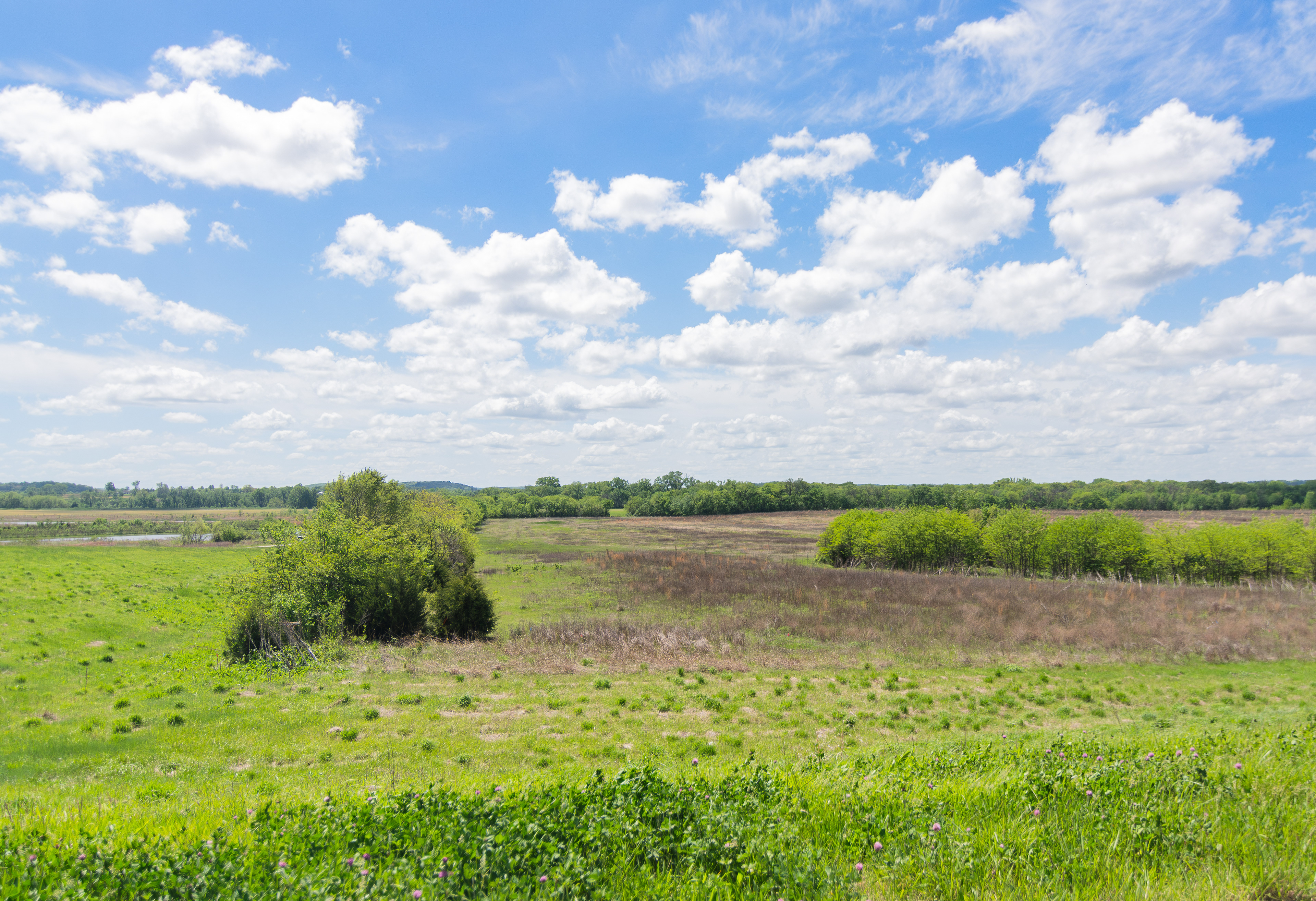
A development project to place a commercial sports complex on a plot of land directly next to the Baker University Wetlands, also known as the Haskell-Baker Wetlands, in south Lawrence has been proposed. It is called Ten 59, and formerly was called New Boston Crossing.
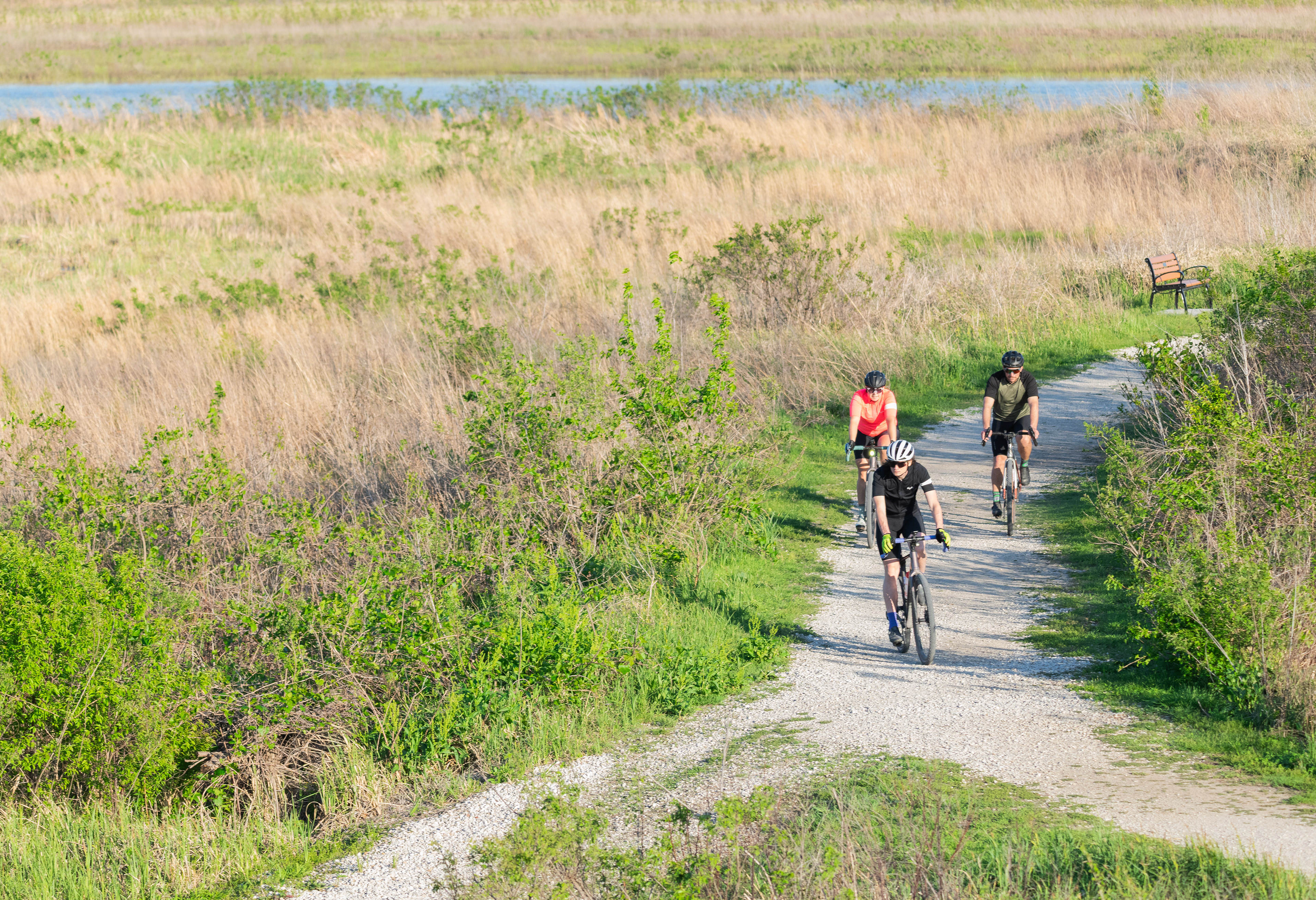
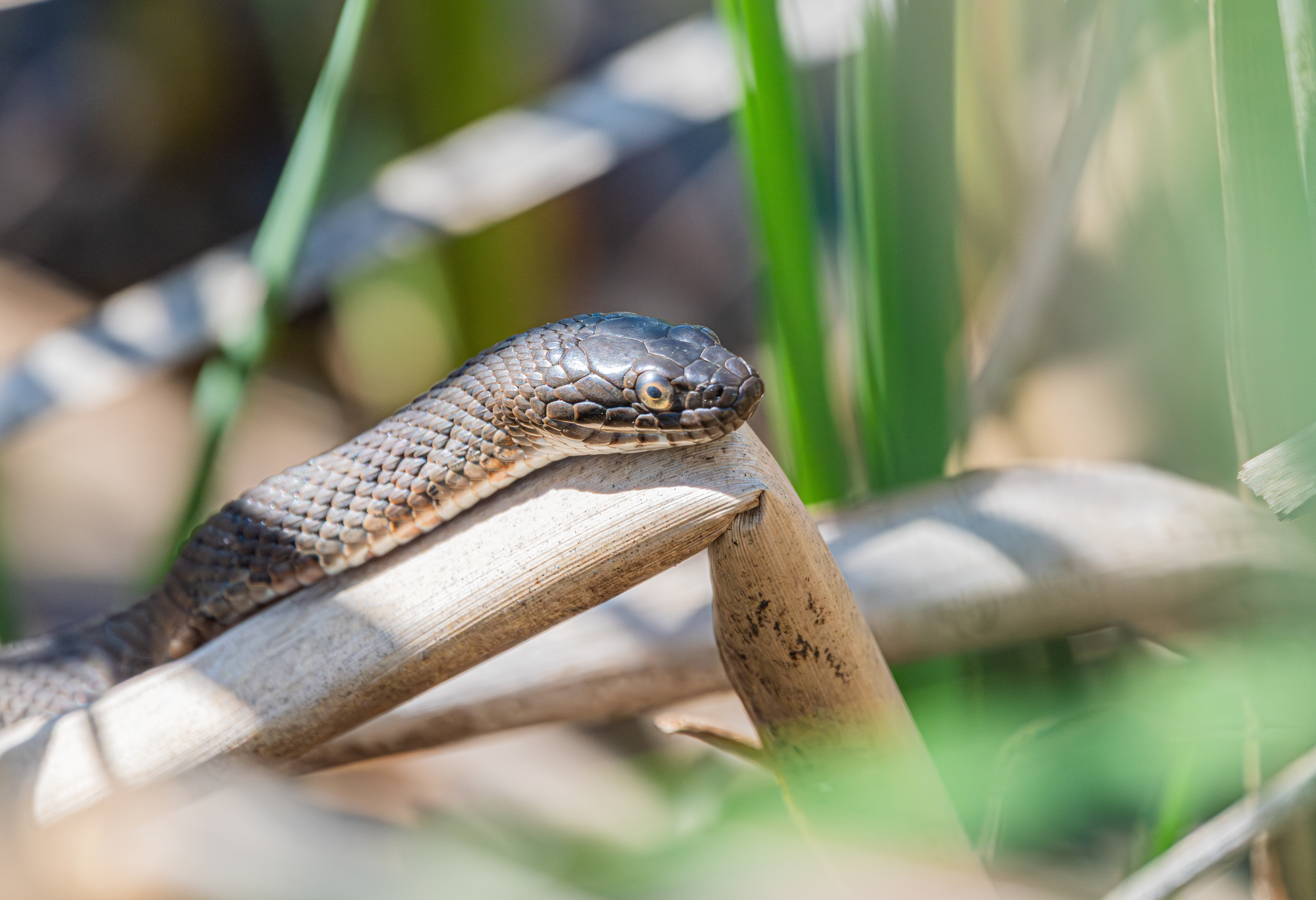
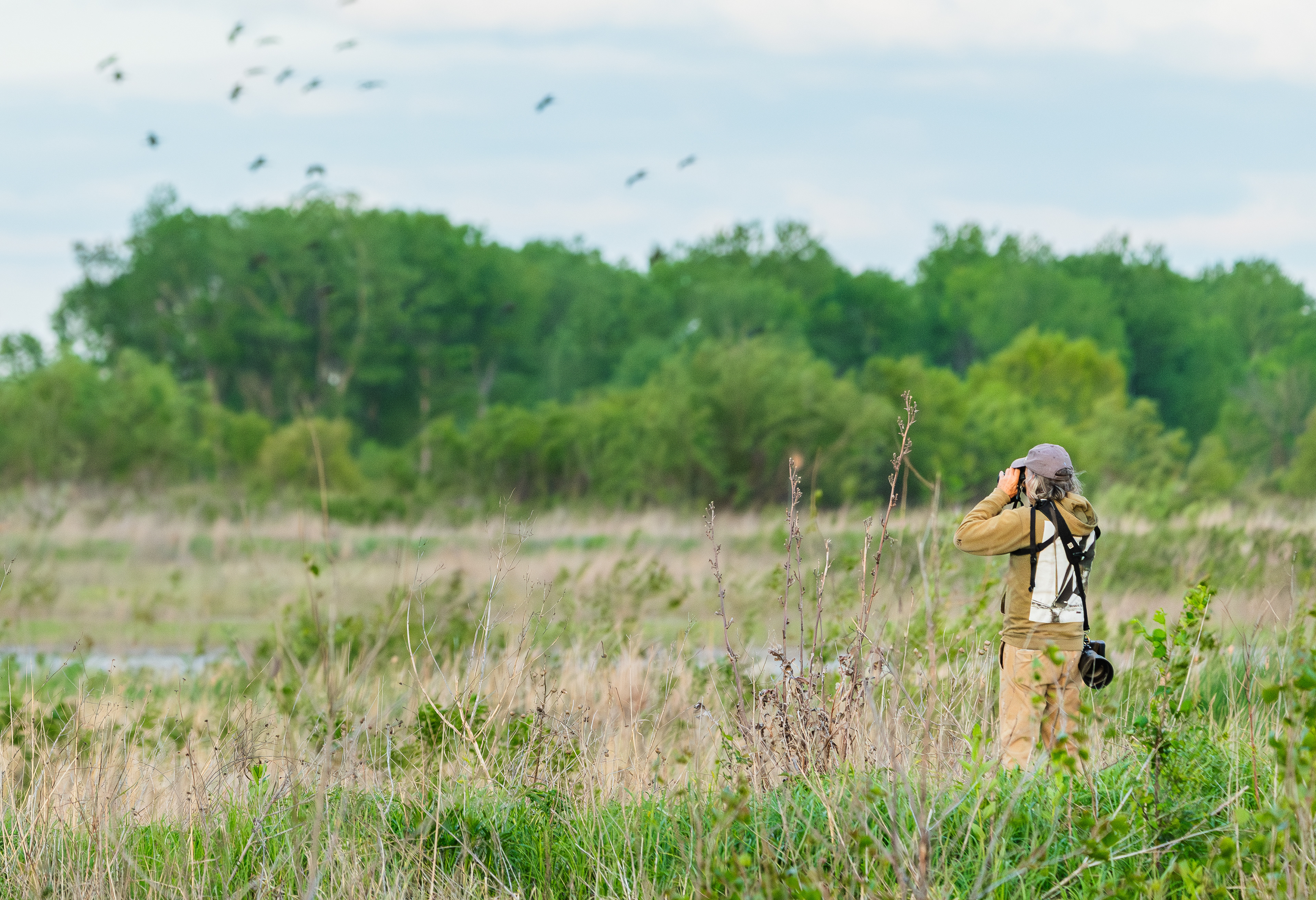
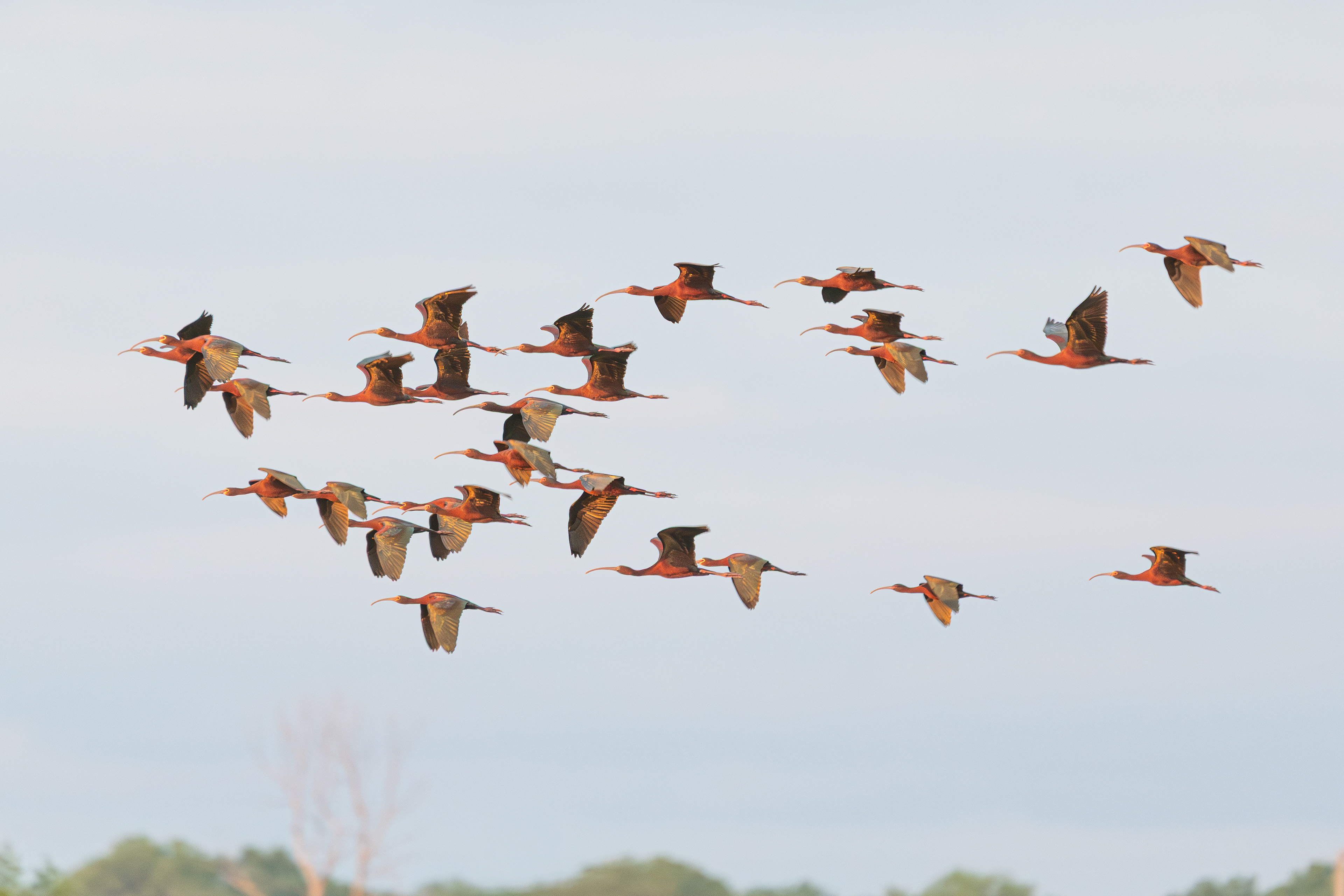
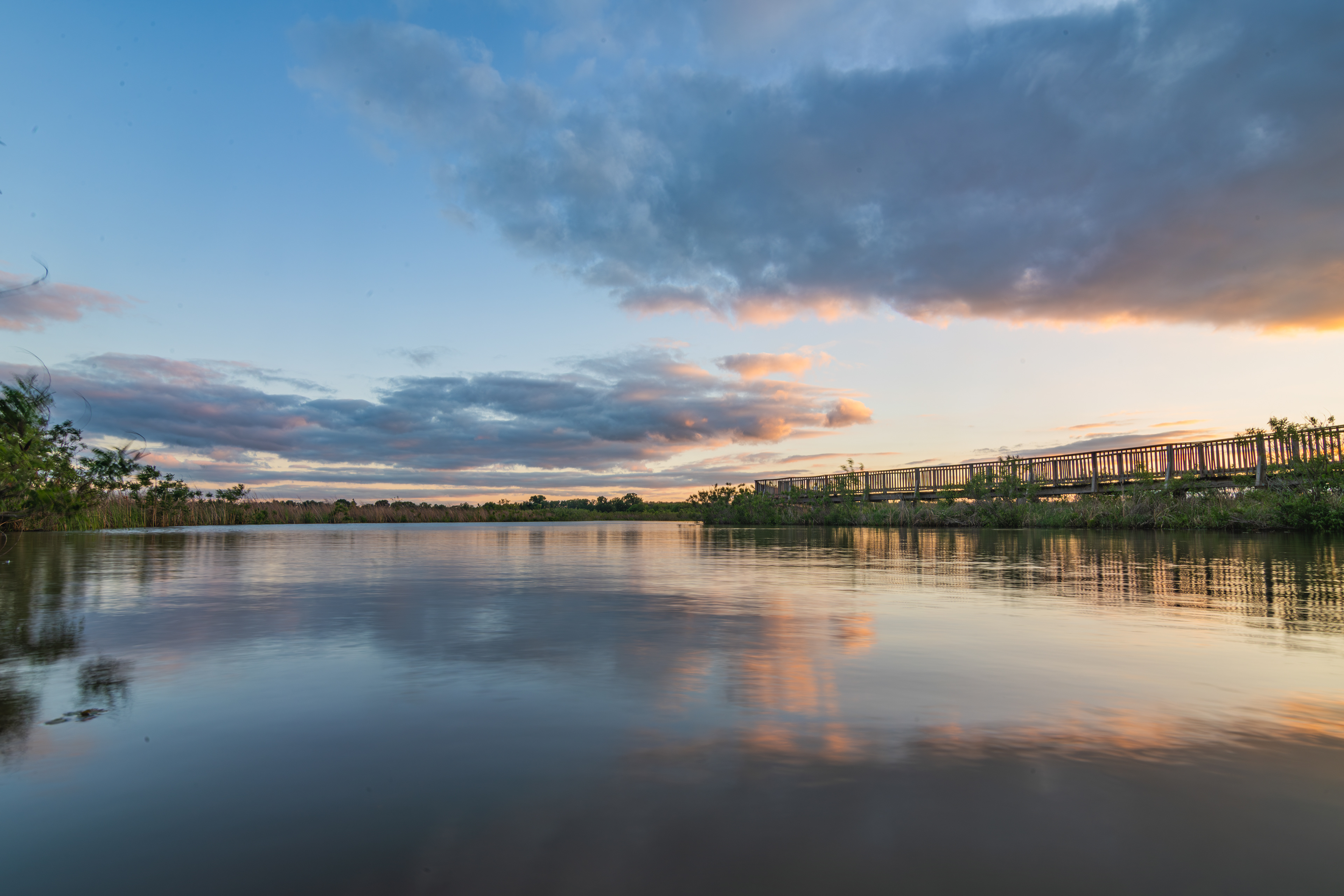
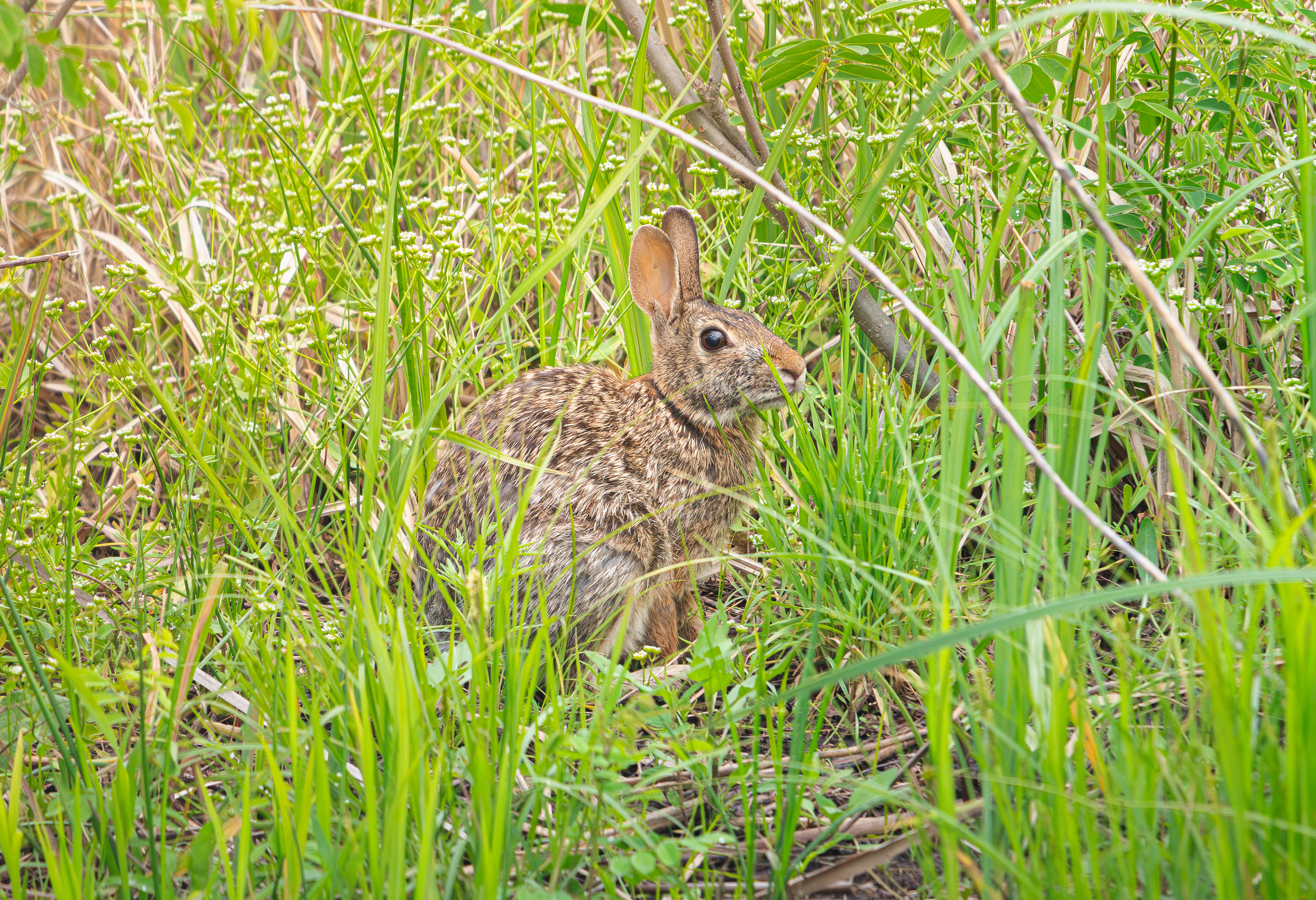
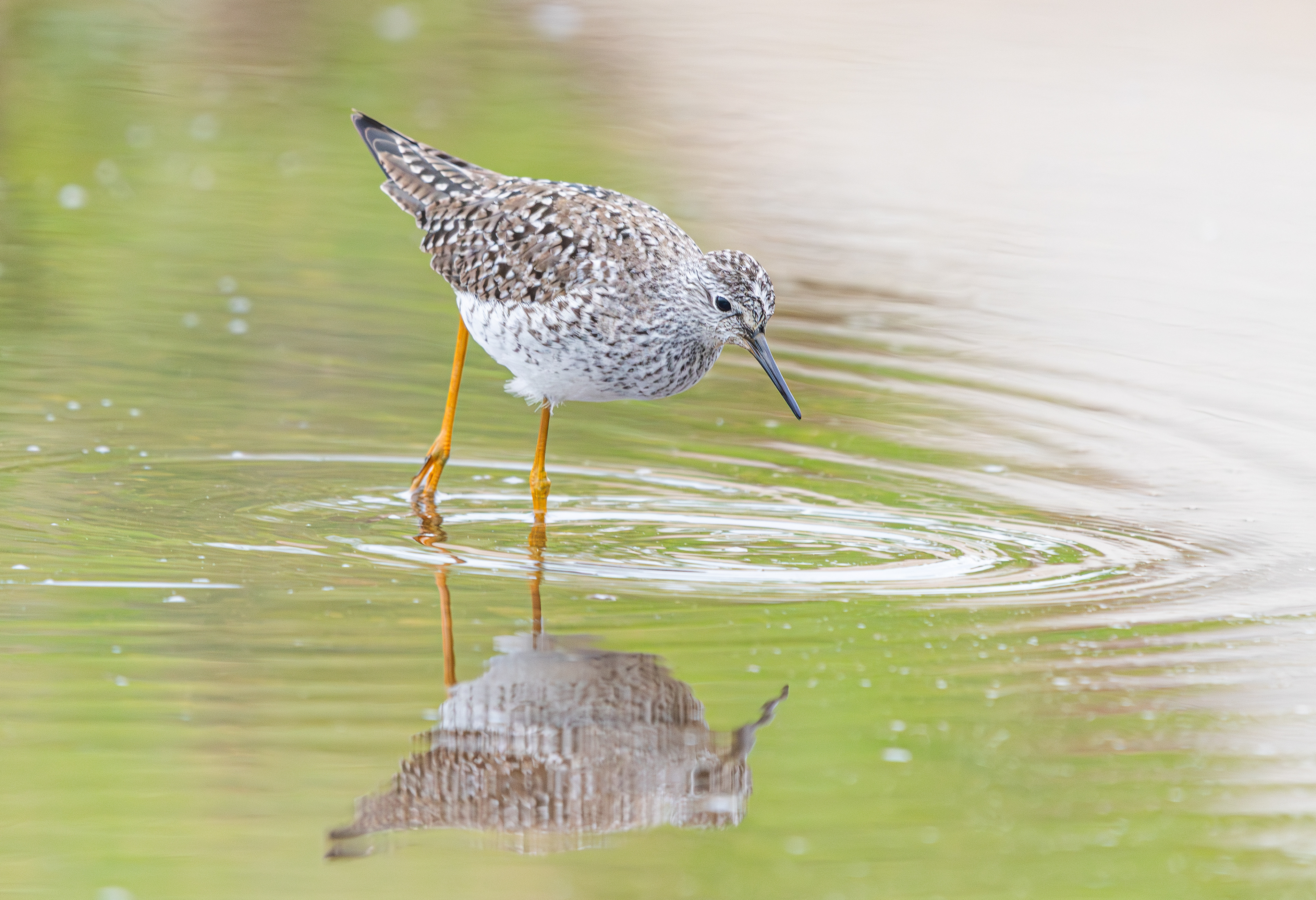
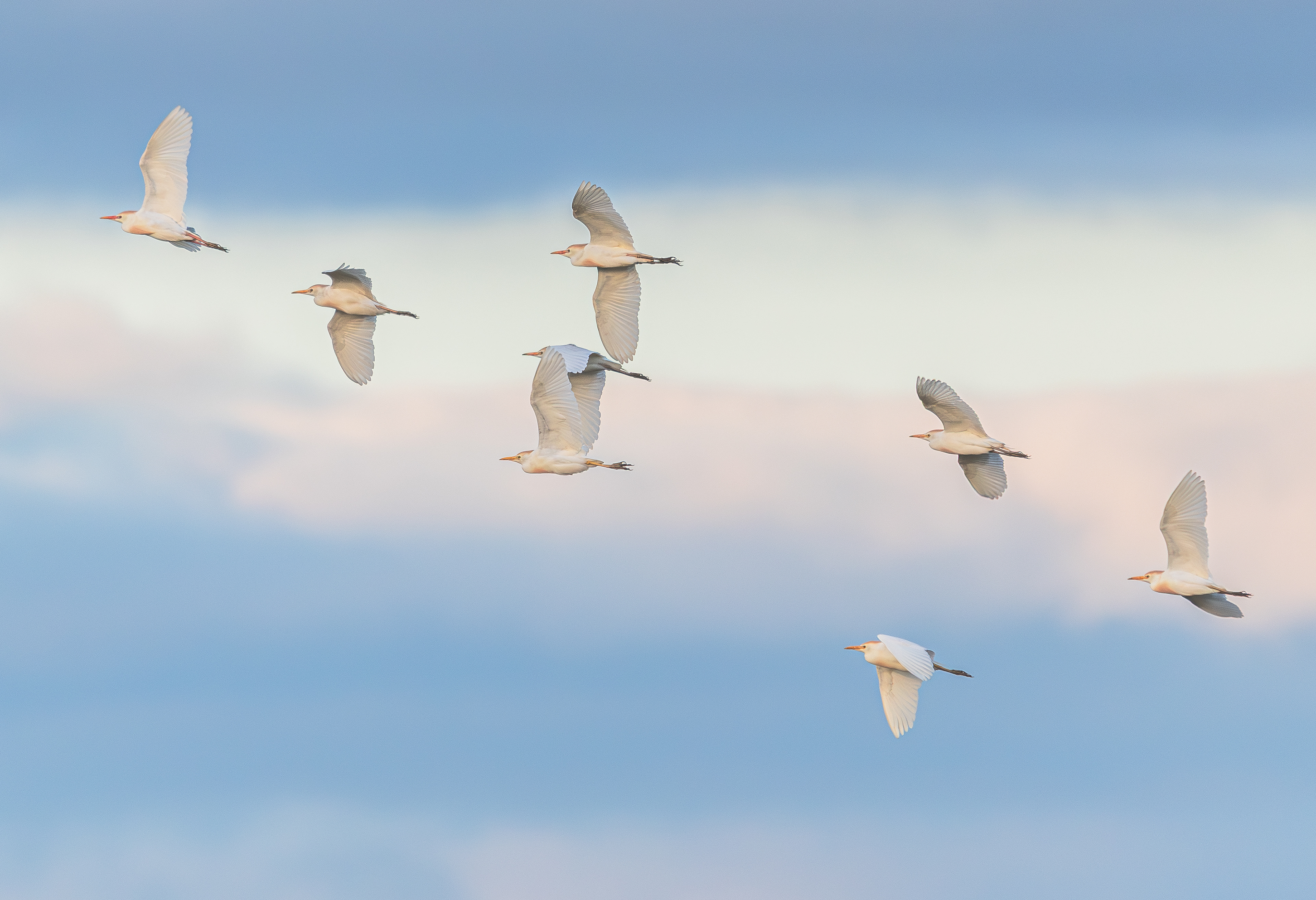
Chloe Cook, a University of Kansas student, photographed the wetlands as a project for her Photo 304 photography class to show the natural beauty of the land that advocates say could be harmed by the development plan.
In her exploration of the land, she researched and wrote about the development and the advocacy against it.
Two developers from Wichita, Jeff Lange and Phil Bundy, have been working to develop this land since the completion of the South Lawrence Trafficway in 2014. The land is home to 60 acres of Wakarusa River floodplain and 3 acres of Wakarusa wetlands.
This development has sparked several concerns within the community. Placing a complex structure on a floodplain could impact its ability to naturally filter out waters, migrate flooding, offer habitat to native plants, and withstand potential future drought.
The light and noise pollution from the complex could potentially disturb the thousands of migrating birds that visit the wetlands every year, along with nesting birds and countless endangered species. Potential increased trash and littering is another concern to the health of the sensitive wetlands.
This land also has significant importance to several Indigenous communities according to Tyler Moore, who graduated with a degree in Indigenous and American Indian Studies from Haskell Indian Nations University, and is a graduate student at the University of Kansas. He has published two research articles about the Indigenous history of the Wakarusa Wetlands, Wakarusa Wetlands Indigenous History and Giving Voice to Haskell: A Step Forward with the Memories of the Past.
Members of the community have come together to create ‘Save the Wakarusa River Valley” a group where they work together to advocate for the land and oppose the development on the basis of environmental, cultural, and ethical concerns.
The latest update from Save The Wakarusa River Valley said, “We expect the Planning Commission to evaluate this project in June (2026). However, the developer has stalled the project multiple times.”